Listen to Tailuguan
2019
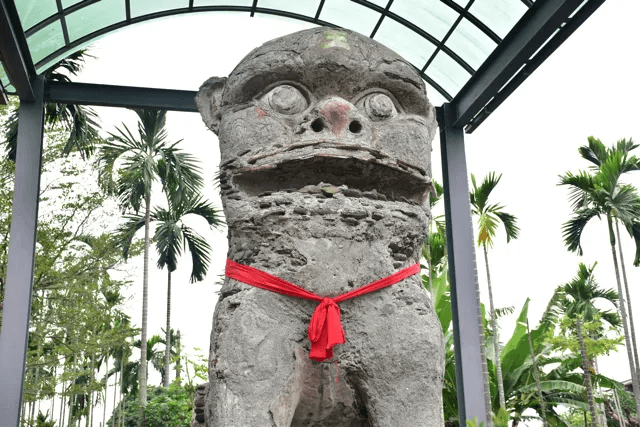
This project focused on a small village in southern Taiwan that has seen its population rapidly decline in recent years. Working as a team of three, we set out to preserve the village’s rich Hakka heritage through a cultural initiative that combined storytelling and interactive design. We spent time on the ground, talking to residents, conducting surveys, and holding focus groups to gather stories and insights. From this, we developed an audio-visual guide to bring the village’s cultural and historical landmarks to life for visitors. To make the experience more memorable, we also created a hands-on bun-making activity. The bun mould was shaped to resemble the village’s guardian spirits – three stone lion brothers – as a way to connect people with local folklore in a tangible, engaging way. Our aim was to not just showcase Hakka culture but to spark curiosity and encourage more people to visit the village in person. The project was well-received, drawing strong support and appreciation from the local community.
Gold Award in the 2019 Taiwan Designer Venture Challenge
This project was awarded the Gold Award in the 2019 Taiwan Designer Venture Challenge, organized by the Ministry of Economic Affairs, recognizing its exceptional creativity and innovation.
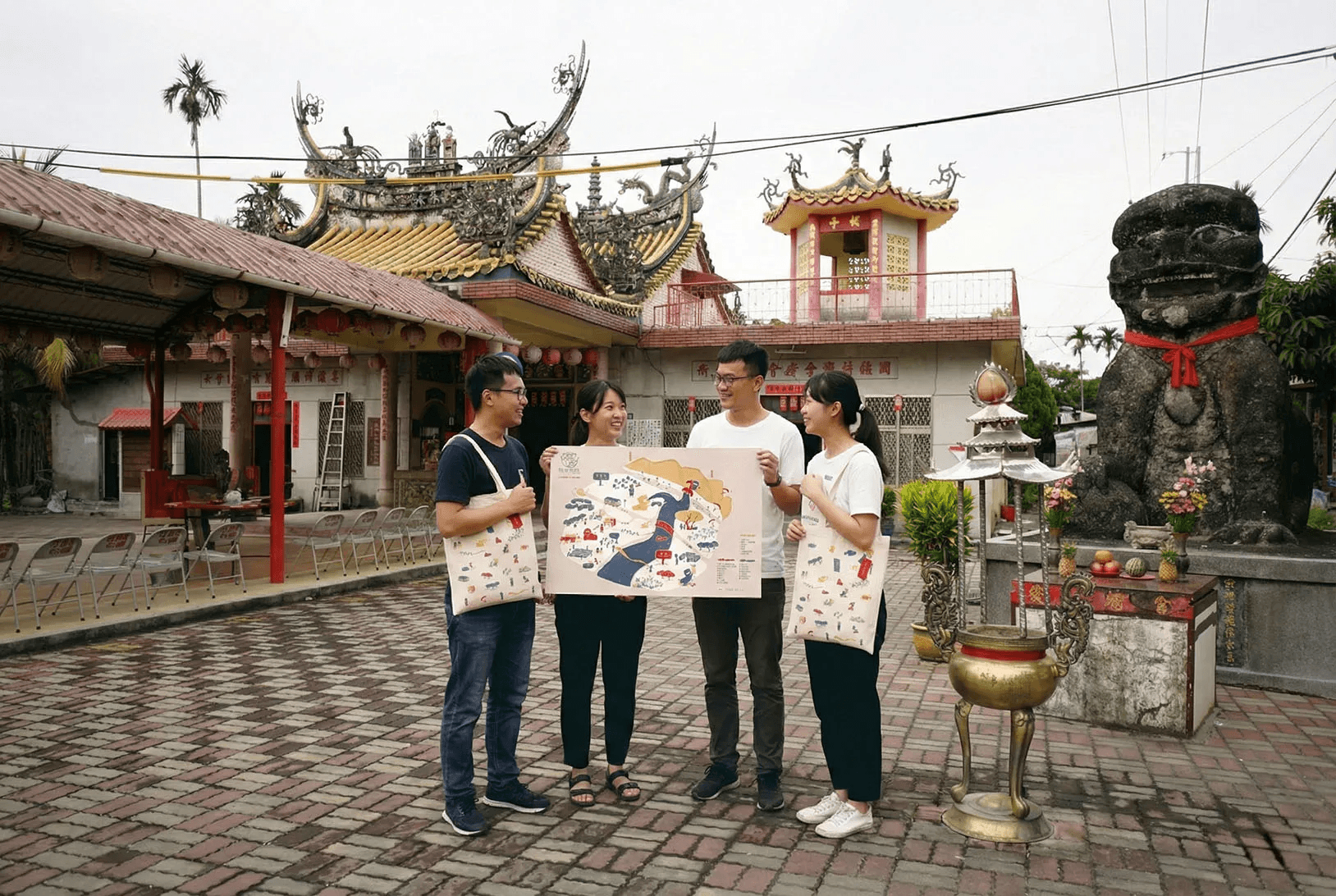
A cultural revitalisation project for the Hakka village of Dalu Guan (大路關), transforming local stories, agriculture, and guardian stone lions into an integrated brand: Listen to Tailuguan—a five-senses experience combining audio-visual storytelling, food, and hands-on activities.
Team
Product Design/Photography by Paxton H. Wang
Illustration/Layout by Yi-Mei, Chu
Copywriting planning by Li-yen, Chang
1. Project Overview
Dalu Guan is a small Hakka village in southern Taiwan, known for its rich history, strong community ties, and surrounding agriculture. Yet, like many rural areas, it faces:
• Rapid population ageing
• Youth migration to cities
• Underdeveloped tourism and lack of distinctive local products
Working as a team of three, we joined a government-backed local revitalisation programme and used design to:
• Preserve and re-tell local stories
• Create meaningful experiences for visitors
• Connect primary agriculture with cultural tourism
• Prototype a sustainable model that villagers could continue operating
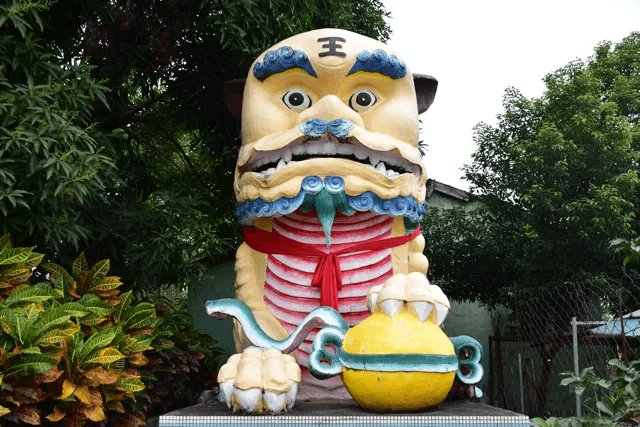
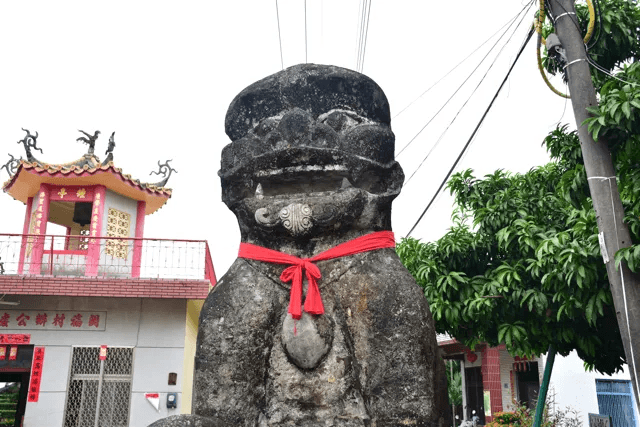
The outcome is Listen to Tailuguan—a cultural map and audio-visual guide, plus a Hakka "ban" (rice cake) workshop using a custom mould shaped as the village's three guardian stone lion brothers. The system is designed as both a visitor experience and a local business opportunity.
2. Problem & Goals
Brief
• Enter the Designer Venture Challenge with a project that applies design to local revitalisation.
• Choose a location within Pingtung County and propose a concept that could realistically support long-term economic and cultural sustainability.
• Deliver a working proposal and prototypes in four months, in time for the Pingtung county showcase.
Core challenge
We framed the problem as:
How might we use design to transform Dalu Guan's cultural assets and agricultural resources into experiences and products that attract visitors, support local income, and pass on Hakka heritage?
Constraints and considerations:
• Very small, ageing population; limited manpower to run complex services
• Existing economy dominated by primary agriculture (fruits, crops)
• The project must be:
• Economically viable (costed, feasible)
• Lightweight enough for local partners to operate
• Respectful of local culture and owned by the community
Success criteria (implicit KPIs)
We didn't have hard numbers, but we aimed for:
• Visitors staying longer than just a quick photo stop
• Better understanding of Dalu Guan's history and Hakka identity
• Local residents feeling that their culture is accurately and respectfully represented
• A concept that can be adopted as:
• An actual guided experience
• A sellable local product / workshop
• A long-term place brand for Dalu Guan
3. Users & Context
Primary users
• Domestic visitors / families
• Travelling by car or bus
• Staying half a day to one day
• Typical behaviour before:
• Take a photo with the stone lions
• Eat at one or two small eateries
• Leave with limited understanding of the village
Secondary users
• Local residents & producers
• Farmers, food processors, shop owners
• Cultural workers and returning youth (e.g. café owner, heritage researcher)
• Potential operators of tours and workshops
We designed for both sides:
• For visitors: an engaging, family-friendly way to discover the village
• For locals: a brand and toolkit that can integrate stories + agriculture + tourism into sustainable activities
4. Field Research & Insights
Methods
On-site research included:
• In-depth interviews
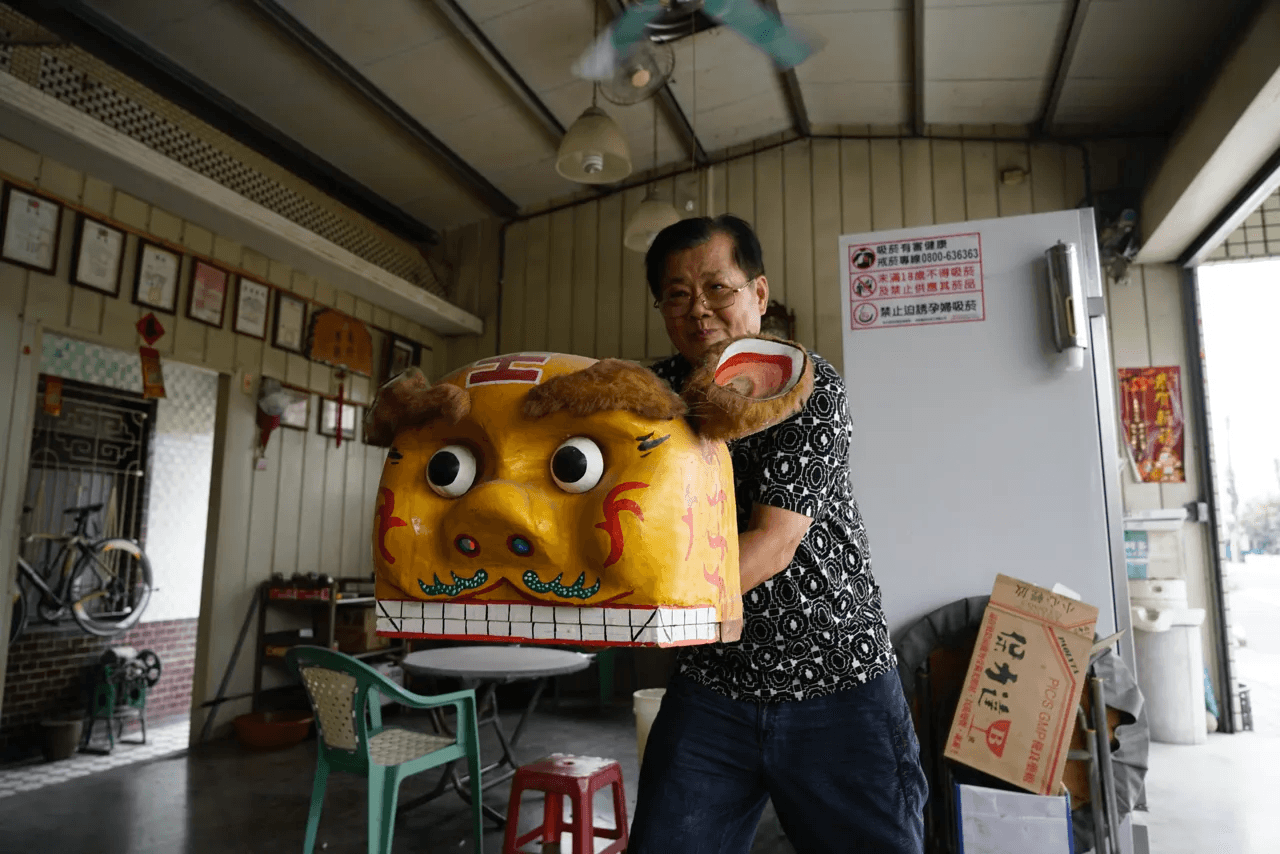
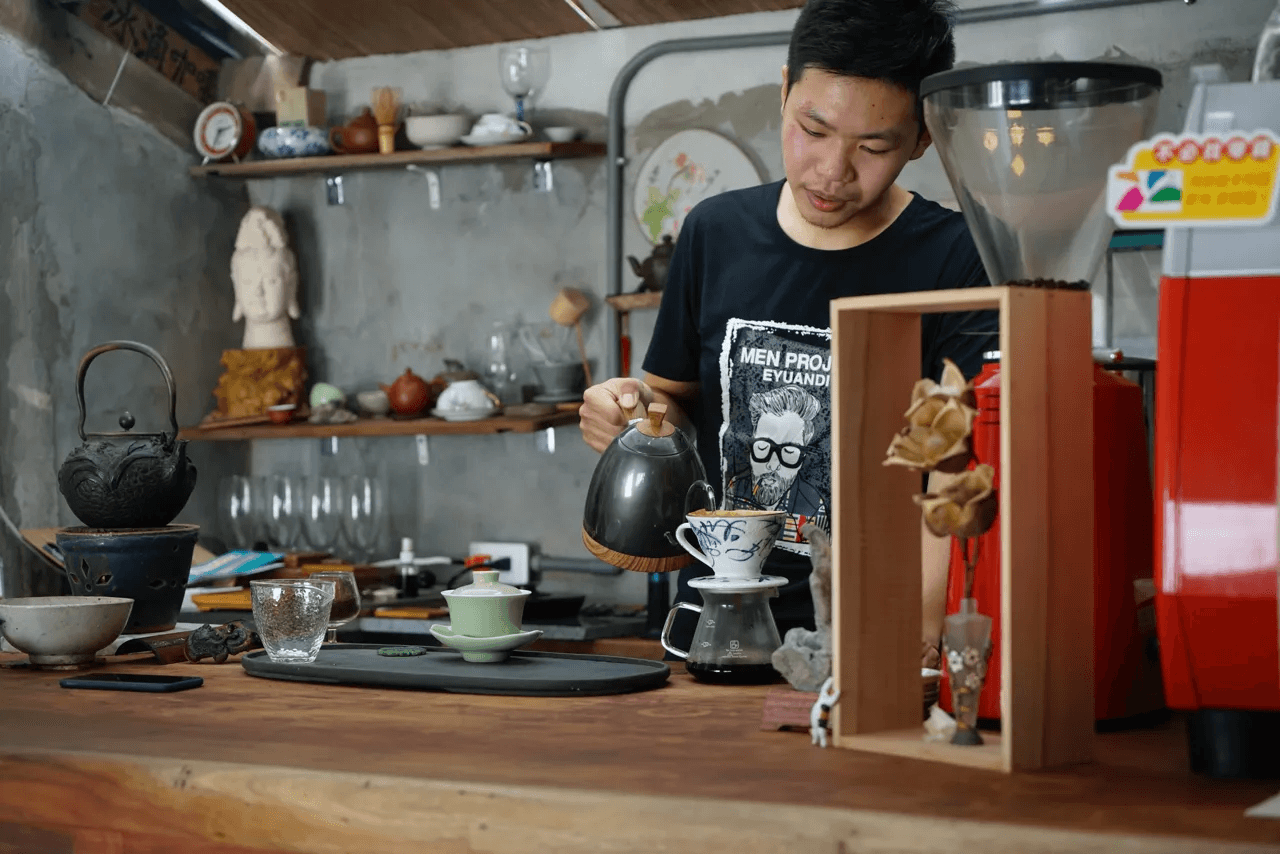
• Returning youth who runs a café
• A cultural worker who has documented local history and architecture
• Community workshop / focus group
• Residents tested early ideas and prototypes and gave feedback
• Lightweight visitor interviews
• Asking tourists about their route, purpose, and impressions
• Contextual observation
• Walking the village like a visitor: routes taken, signage, how long people stay
Key insights
1. Drive-through tourism
• Many visitors know it's a Hakka village, but only "drop by for a quick photo" with the stone lions or temple, then leave.
• There are not enough anchors (activities, food, places) to keep them longer.
2. Elderly knowledge, fragile memory
• Older residents are deeply attached to the village's history, but worry their stories will "disappear when we're gone".
• They feel emotional when talking about floods, wars, and how the village survived.
3. Children are drawn to the lions, not long stories
• Kids love the stone lion guardians visually, but don't have the patience for long explanations.
• They respond more to play and hands-on activities than static plaques.
4. Food + making creates strong memories
• For many visitors, the most memorable parts of a trip are tasting something local or making something they can take home.
• This aligns well with Dalu Guan's agricultural strengths.
5. The three stone lion brothers are powerful local symbols
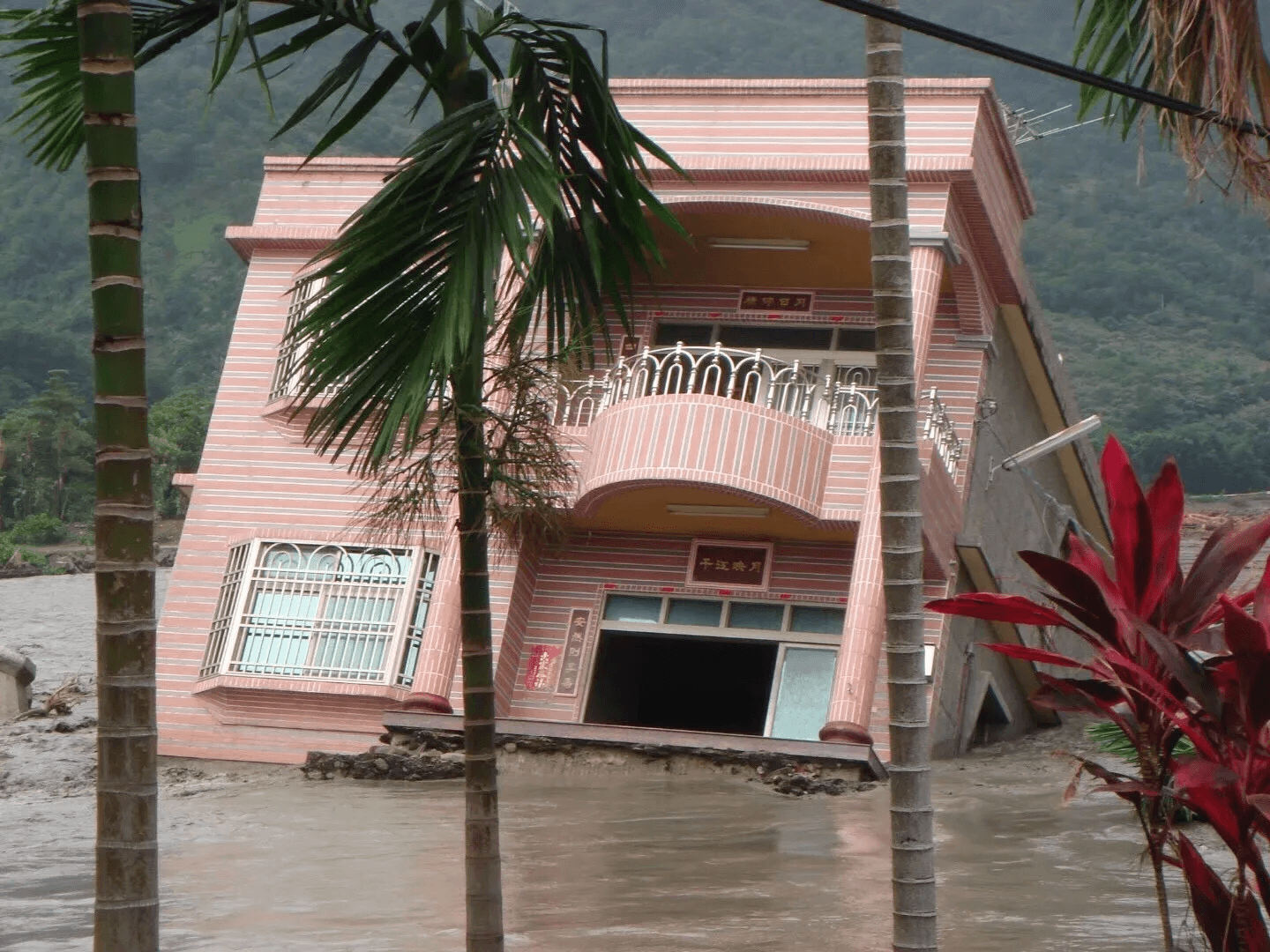
• According to residents and cultural workers, the lions are considered protective spirits who "blocked floods" and helped the village survive while neighbouring villages suffered.
• This story resonated strongly and became the emotional core of the project.
5. Concept Development
We used a place–people–industry framework:
• Place: geography, village layout, landmarks
• People: residents, storytellers, farmers
• Industry: agriculture, processed foods, tourism services
We then mapped how creativity → innovation → entrepreneurship could turn cultural assets into:
• Works (design outputs, stories, visuals)
• Products (food, tangible goods)
• Business opportunities (community-run experiences and brands)
From multiple directions (paper maps, AR apps, souvenir-only concepts, etc.), we converged on a hybrid:
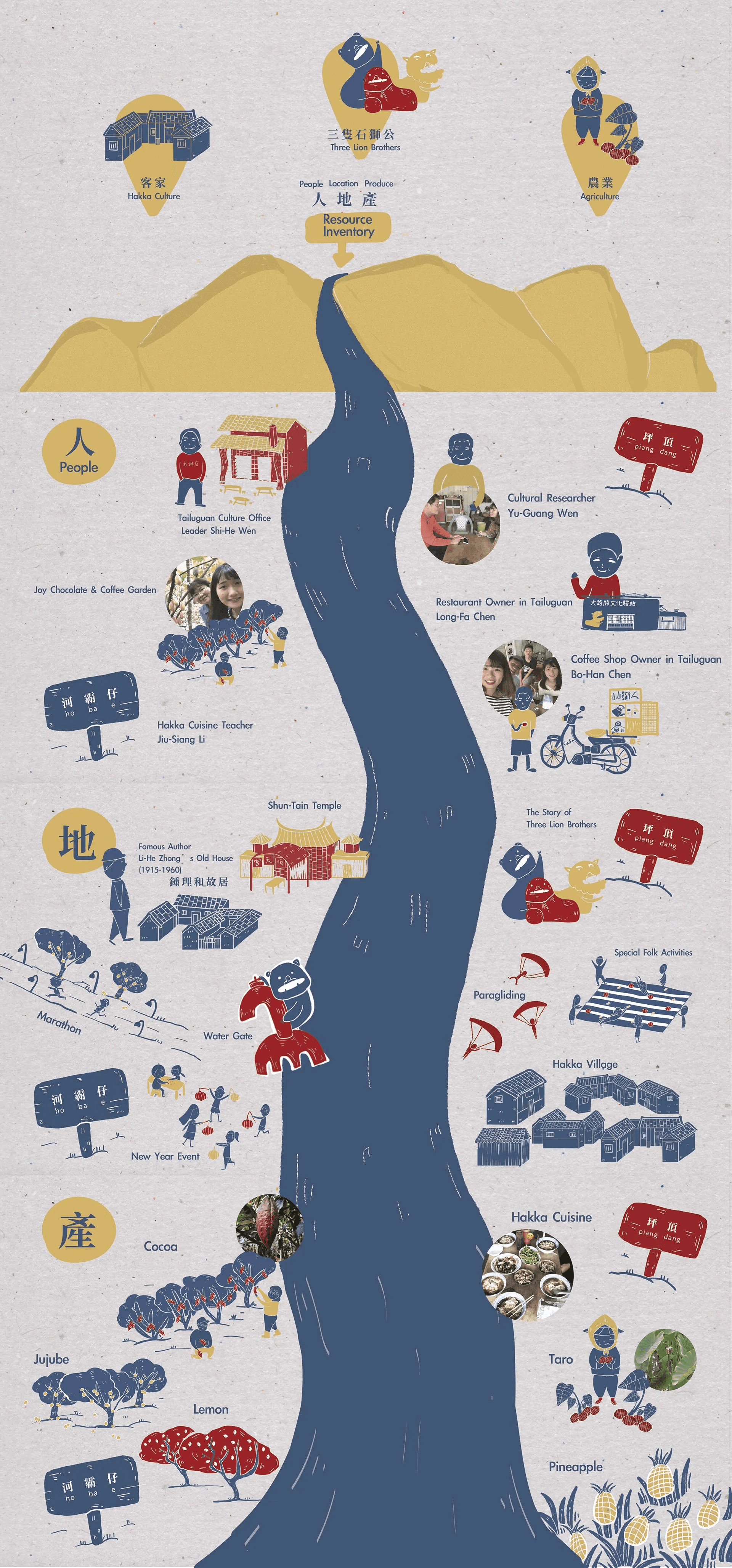
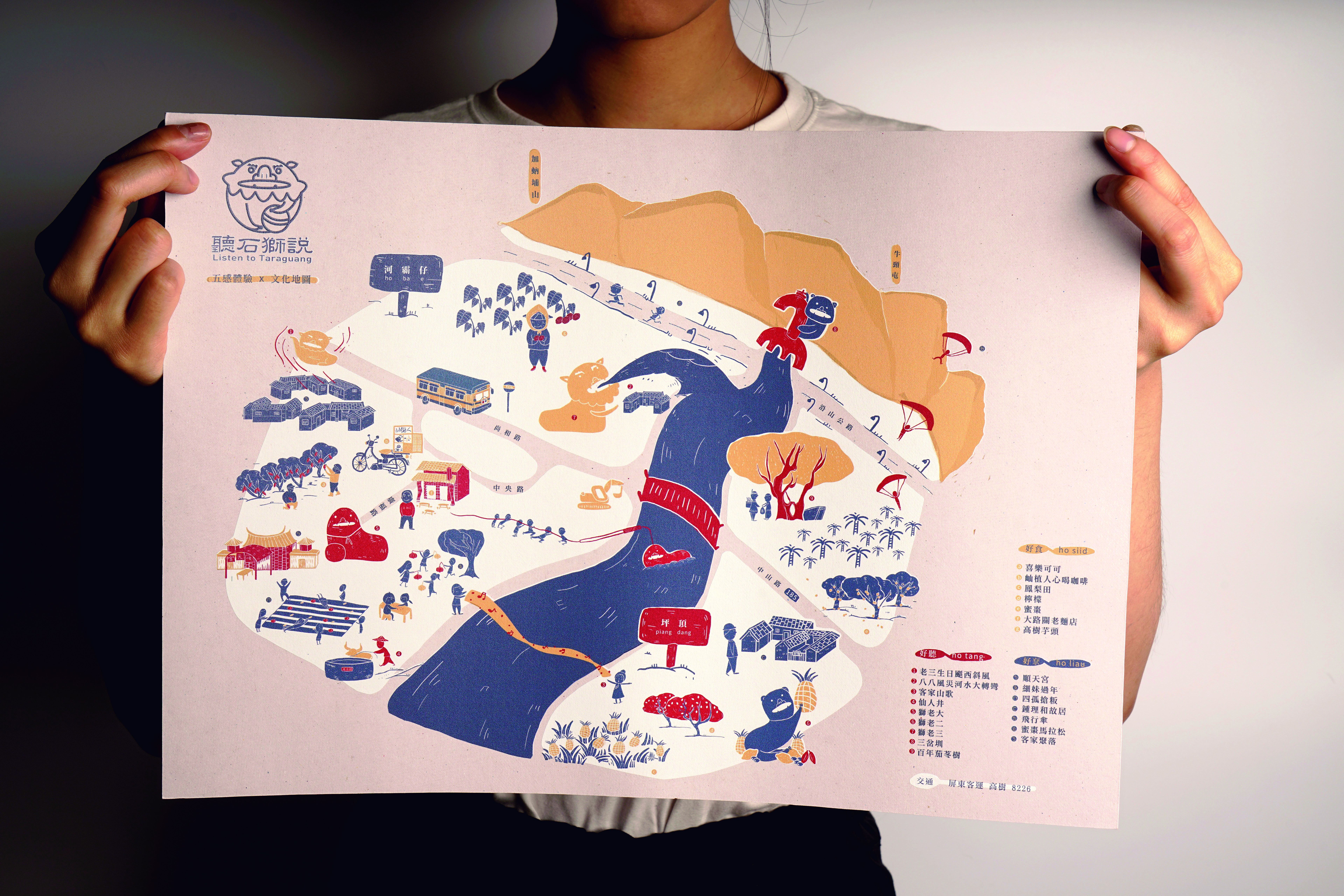
1. Audio-visual cultural map & guide
2. Five-senses brand experience ("good to hear, good to eat, good to explore")
3. Stone-lion rice-cake workshop using a custom mould
Why audio-visual guide vs. traditional signage
• Portable: can be hosted on tablets or phones, carried along the route
• Rich: supports sound, illustration, and motion, not just static boards
• Scalable: content can be updated without rebuilding physical signage
• More engaging for children and younger visitors
Why a rice-cake ("ban") workshop vs. typical souvenirs
• Deeply tied to Hakka food culture, not a generic postcard or stamp
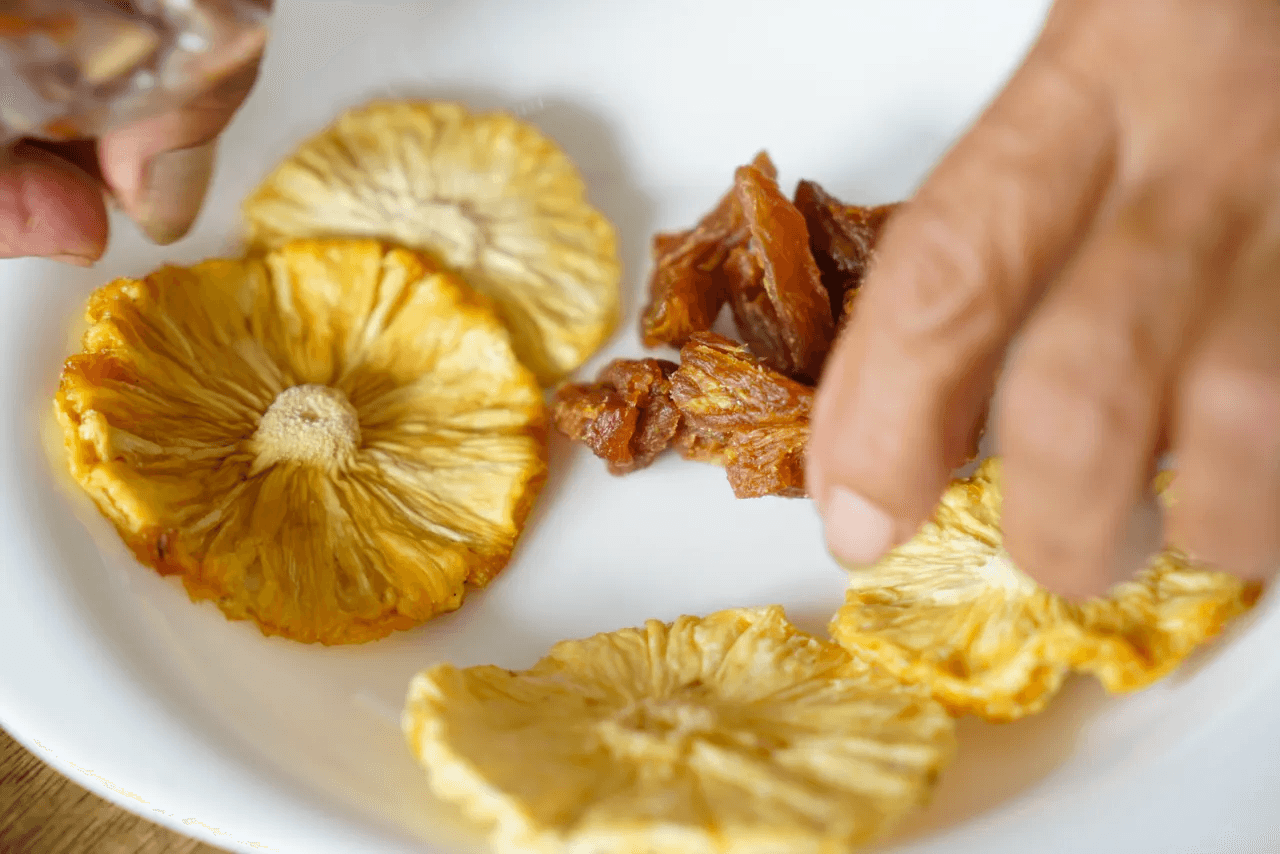
• Uses local agricultural ingredients for fillings (fruits, etc.)
• The custom stone lion mould makes the story literally "edible" and tangible
• Encourages shared activity for families (parents + kids making food together)
Why the three stone lion brothers as the IP
• Strong emotional resonance among residents
• Unique to Dalu Guan (not easily copied by other villages)
• Visual and narrative flexibility: three characters with different personalities
• Can be extended into maps, packaging, signage, and products
6. Experience & Product Design
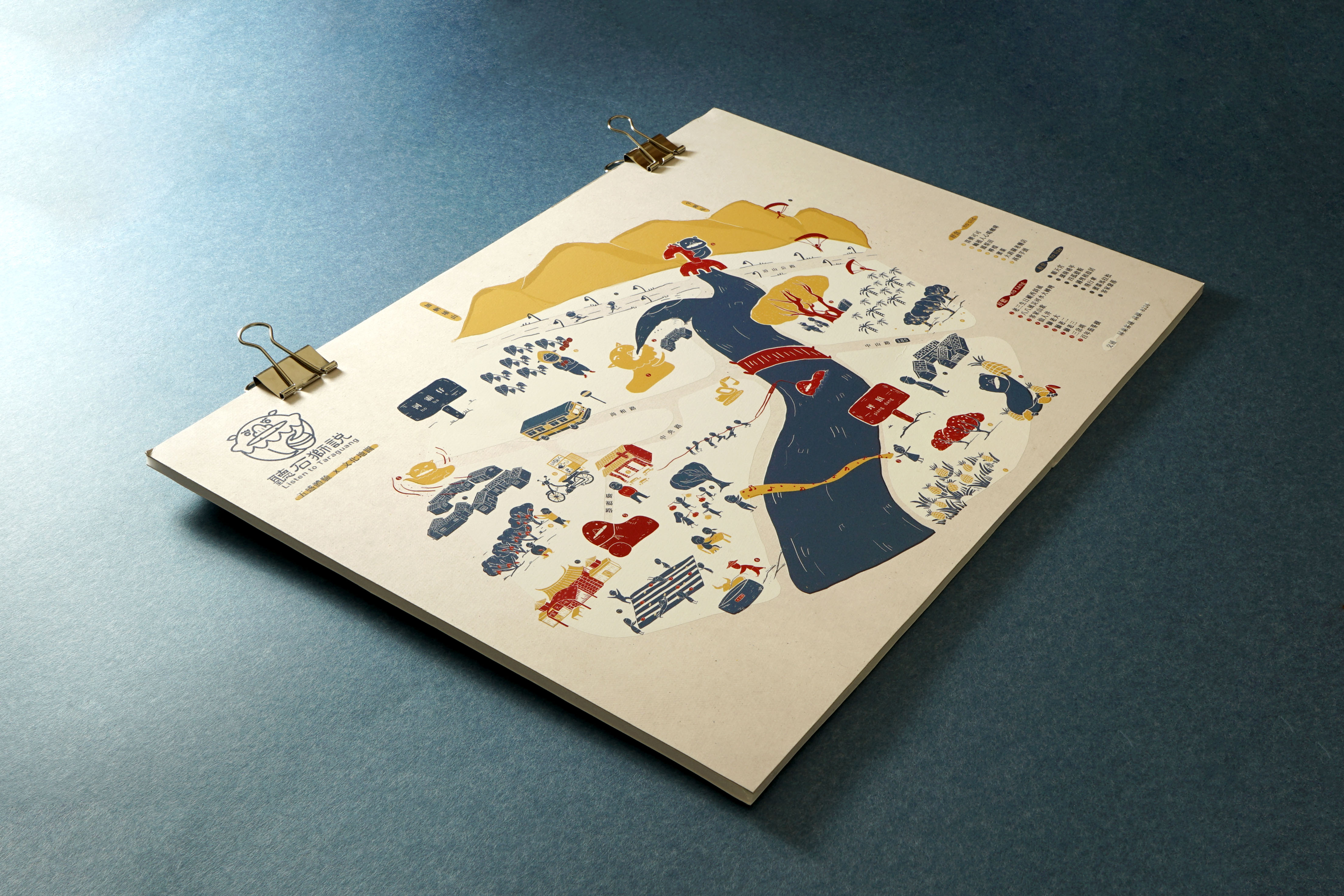
6.1 Audio-Visual Cultural Map
We created a cultural map–based guide installed on iPads for local partners (and adaptable to mobile phones).
Features:
• Hand-drawn map showing landmarks, routes, and relative distances
• Audio stories based on recorded interviews:
• Local elders, cultural guardians, and everyday residents
• Some audio recorded on location to keep authentic ambient sound
• Illustrations & simple animations of:
• Stone lions
• Temples, old houses, fields
• Everyday scenes from village life
Content design:
• Stories were condensed from long interviews while preserving key emotions and facts.
• Language was simplified to be suitable for both adults and children.
• Each stop's story length was tuned to avoid listener fatigue.
Applications:
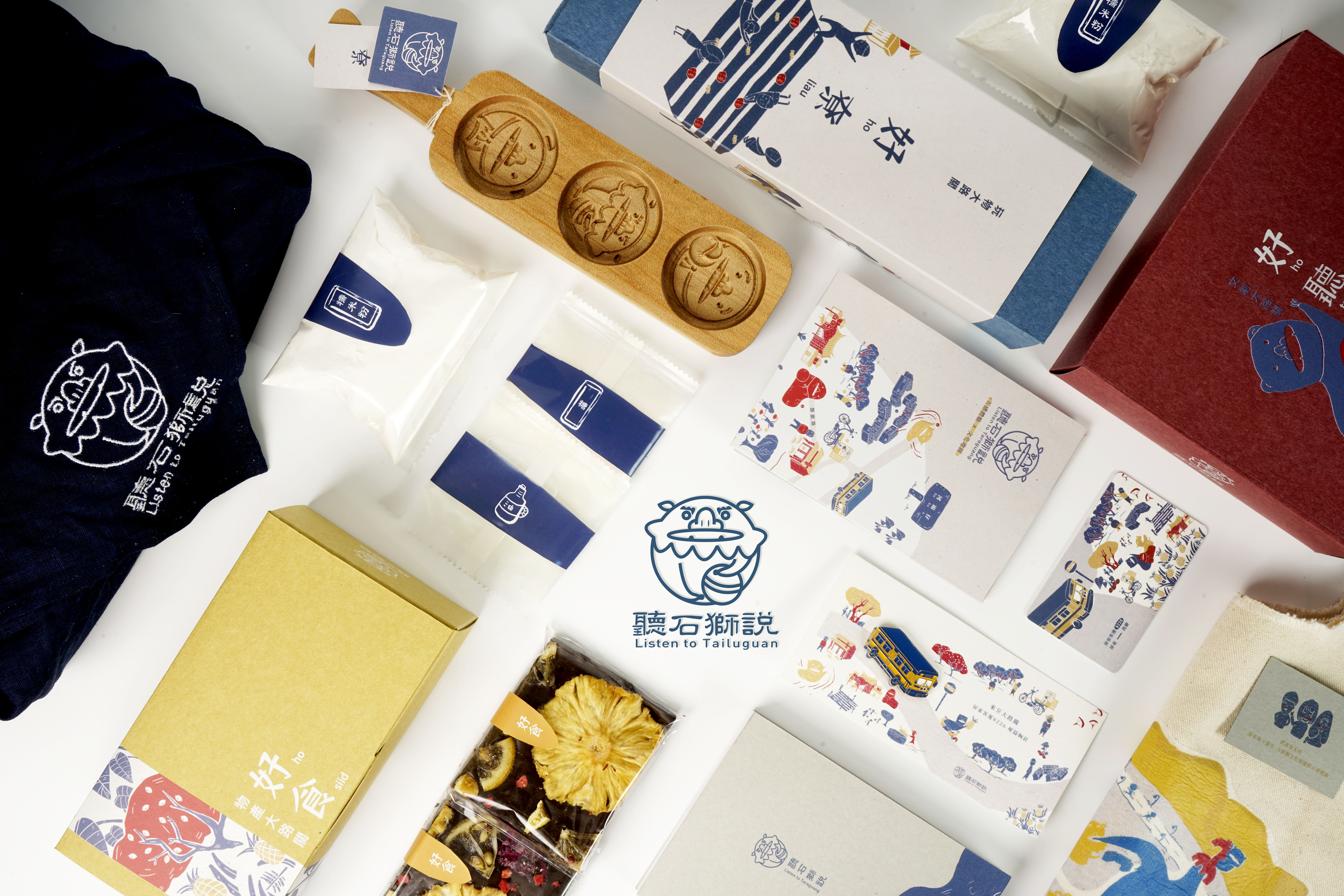
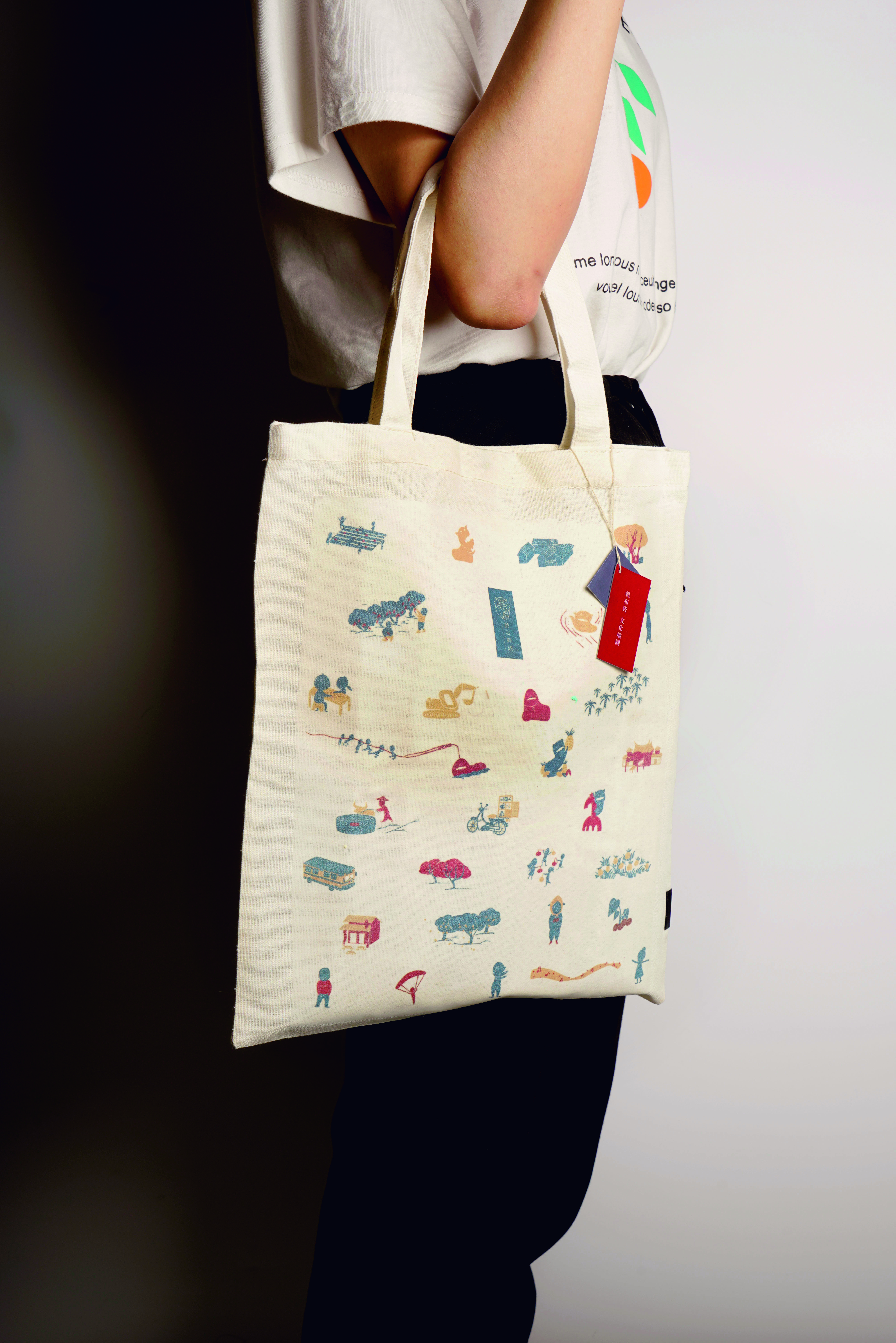
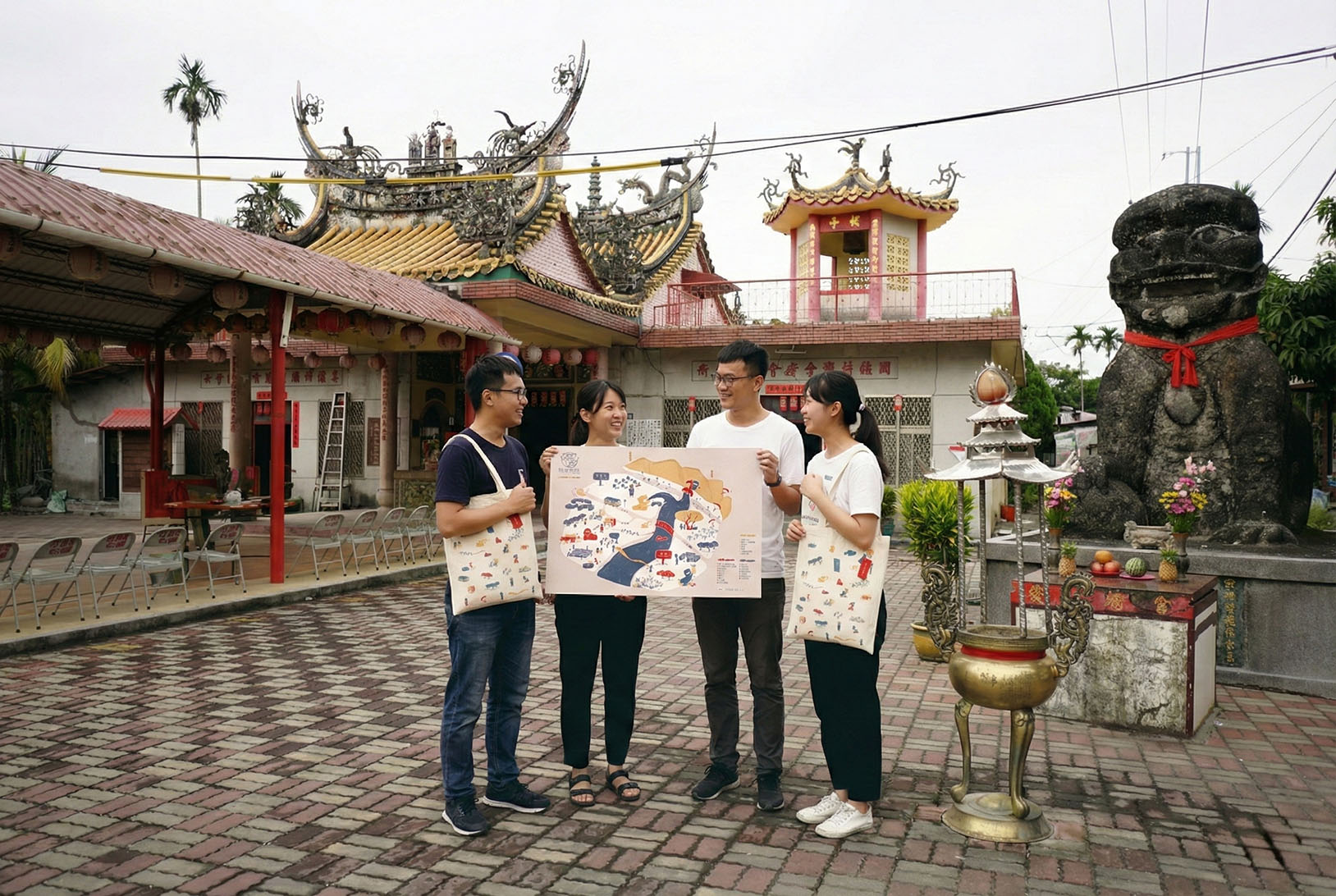
• The map visuals were also extended to canvas bags, story booklets, and badges, turning the guide into a recognisable visual identity for Listen to Tailuguan.
6.2 Stone Lion Rice-Cake Workshop & Mould
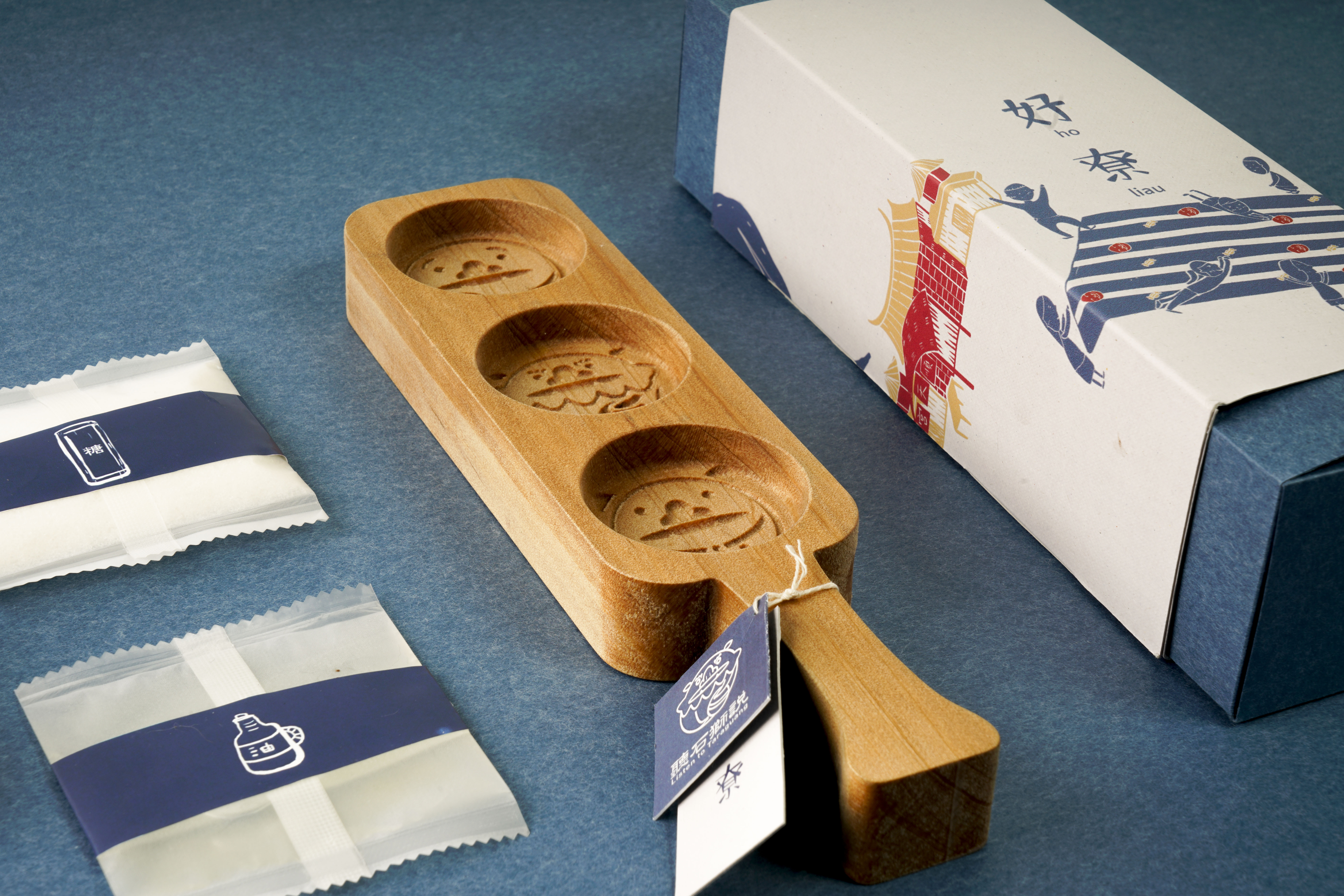
We designed a wooden mould for making Hakka "ban" (rice cakes) shaped as a simplified, combined form of the three guardian lions.
Design considerations:
• Ergonomics: easy to hold for both children and adults
• Ease of release: edge radius and depth adjusted to reduce sticking
• Cultural continuity: wooden material respects traditional Hakka moulds
• Production feasibility: small-batch manufacturable; the plan is for local operators to own the moulds rather than mass retail them.
Workshop prototype:
• Small test session with four groups making rice cakes
• Observations + feedback led to:
• Dough recipe adjustment to reduce sticking and failed releases
• Introduction of fillings and pairing with tea to broaden appeal for people unfamiliar with traditional Hakka flavours
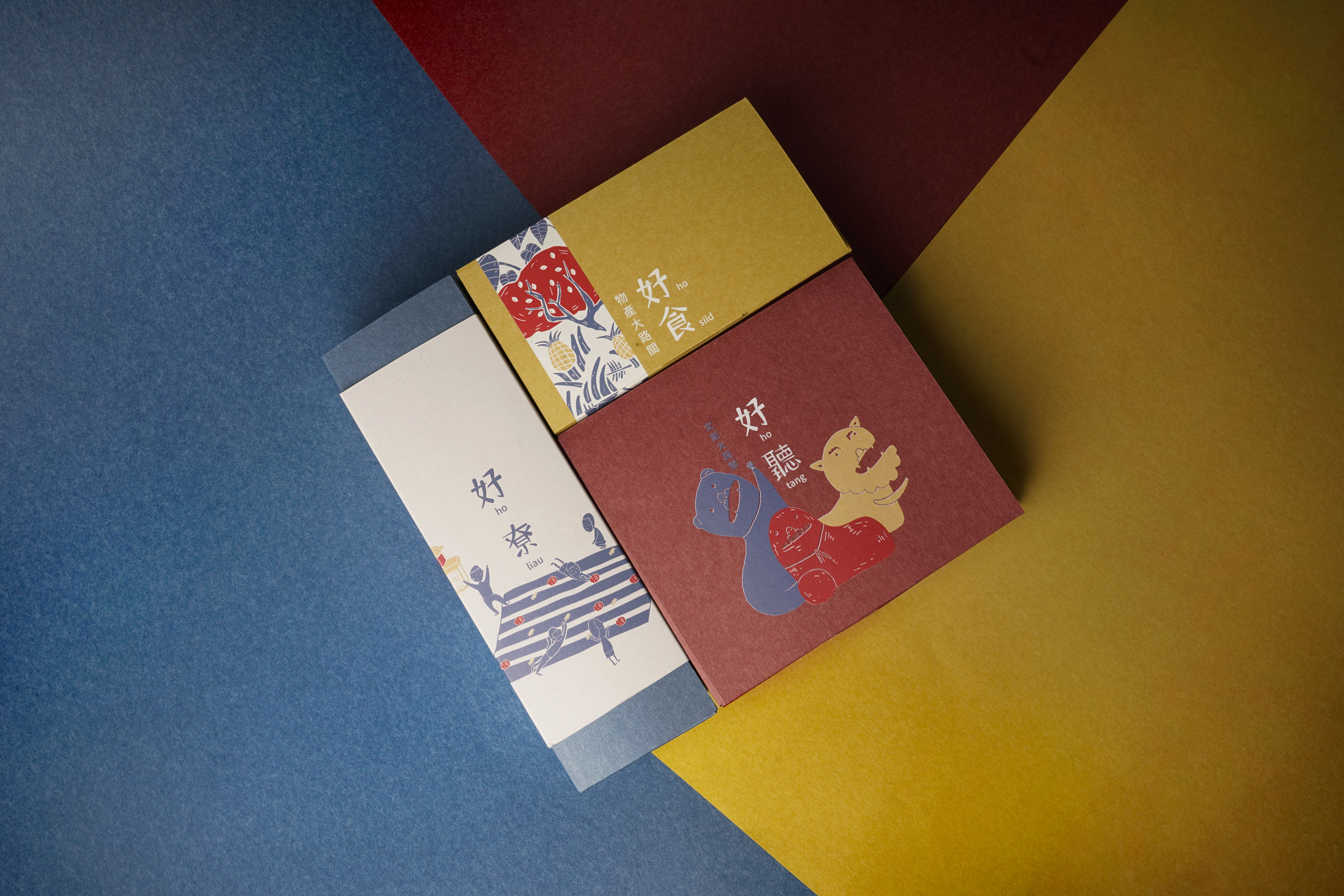
6.3 Five-Senses Brand ("Good to Hear, Good to Eat, Good to Explore")
We framed the full experience around three pillars:
• Good to Hear (好聽) – auditory & visual
• Cultural map
• Audio-visual guide
• Story-based applications (booklets, souvenirs)
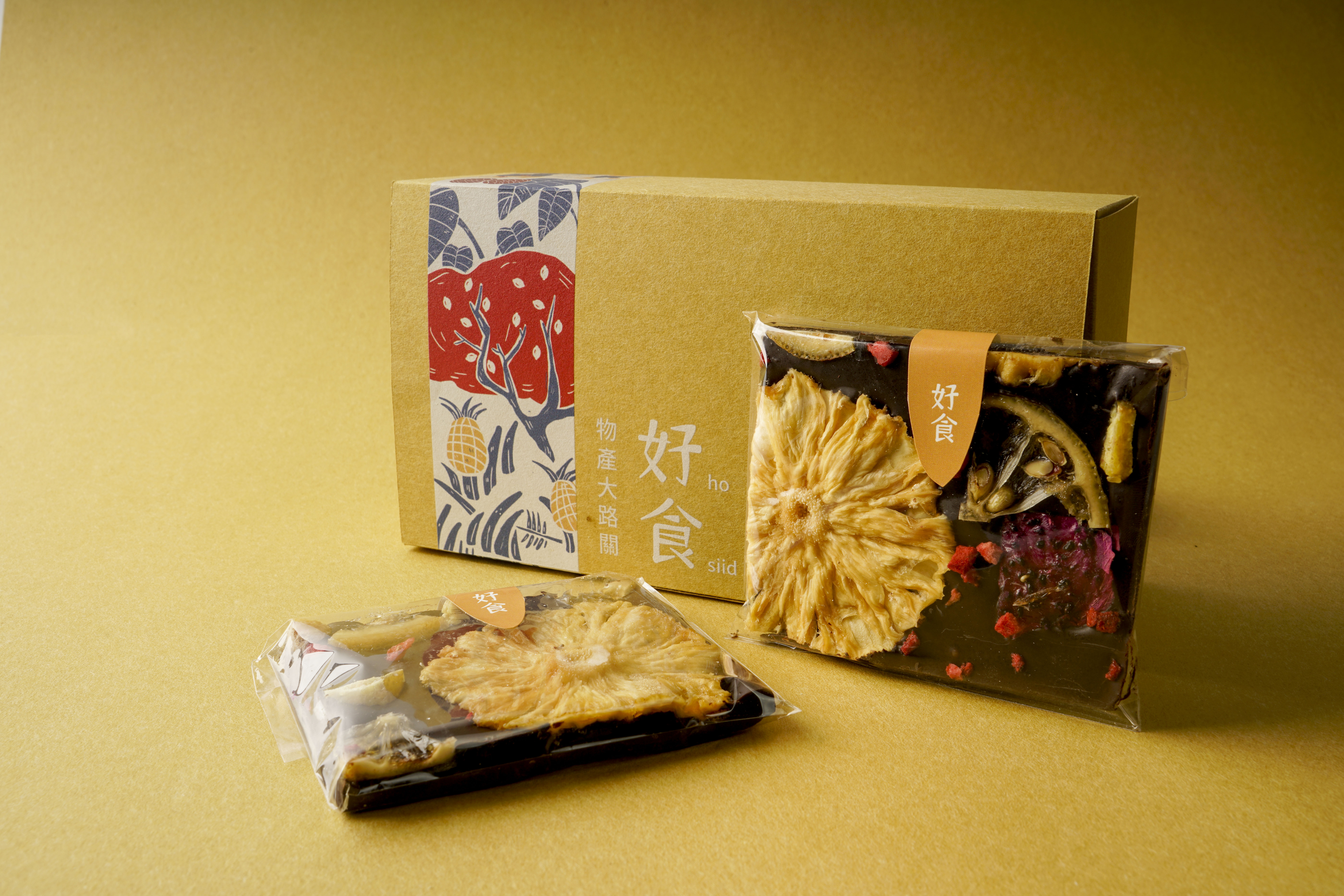
• Good to Eat (好食) – taste & smell
• Friendly small-farmer fruit chocolates and dried fruit
• Stone-lion rice-cake workshop
• Good to Explore (好察) – touch & discovery
• On-site exploration sets, tactile boards or activities linked to landmarks
• Opportunities to "discover" cultural details rather than just being told
The colour palette and graphic language were derived from local elements:
• Hakka costumes and patterns
• Temple colours
• Fruit tones and soil colours
This ensured the brand didn't feel imported, but grounded in Dalu Guan's identity.
7. Ecosystem & Business Model Thinking
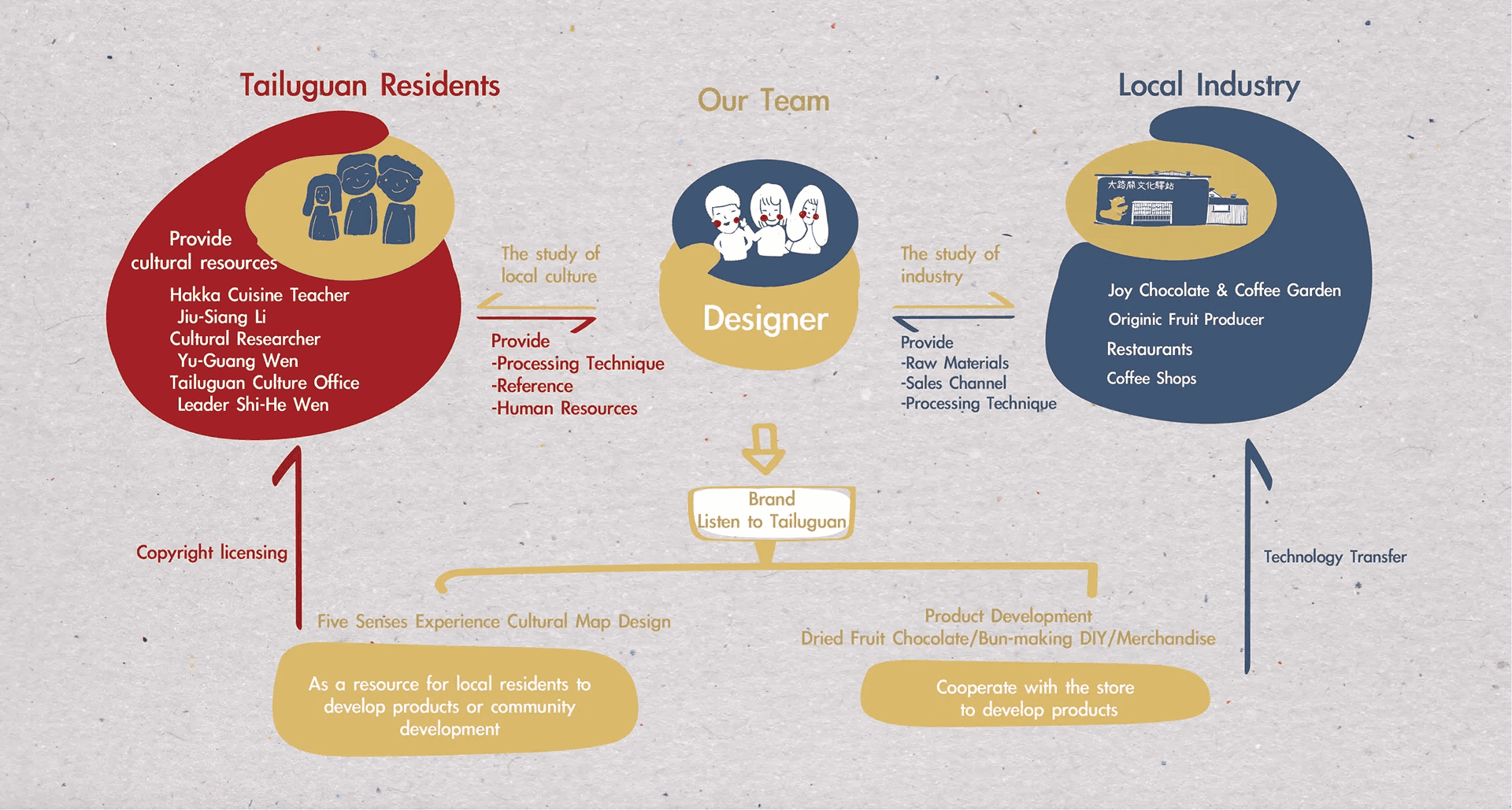
Beyond a single product, we designed an ecosystem connecting:
• Local residents
• Provide cultural knowledge, stories, and manpower
• Receive income and intellectual property licensing opportunities
• Farmers and processors
• Supply ingredients (fresh fruit, processed goods)
• Participate in new product lines (e.g. dried fruit chocolate, tea sets)
• Local organisations & government
• Offer infrastructure and spaces (cultural centre, workshop venues)
• Support promotion and integration into tourism routes
• Design team (us)
• Create the brand, visuals, and experience blueprint
• Transfer know-how and licence the cultural map & visual assets to locals
The goal:
A virtuous cycle where agricultural surplus and local culture are transformed into experiences and products that bring visitors, generate revenue, and justify continued preservation efforts.
Those three diagrams you shared (creation–innovation–entrepreneurship, stakeholder map, and circular value flow) are basically service blueprint / ecosystem visuals and fit perfectly here.
8. Prototyping, Testing & Iteration
Workshop testing
We ran a trial rice-cake workshop with four participant groups (students):
• Issue: rice cakes often stuck to the mould
• Change: adjusted recipe and flouring method → smoother demoulding, better-looking lions
• Issue: flavour felt too plain for participants unfamiliar with traditional Hakka snacks
• Change: introduced optional fillings and tea pairing
• Result: higher satisfaction; participants more willing to recommend the experience
Community validation
A community workshop allowed residents to:
• See the map, brand, and story materials
• Try the prototype products
• Comment on whether their culture was represented accurately
Feedback:
• Residents appreciated the focus on stone lions as core characters
• They were positive about using real agricultural products (not purely symbolic items)
• There was interest in actually implementing the workshop and guide with local partners
9. Outcomes & Recognition
• The project concept and prototypes were well-received by the local community and partner organisations.
• It won the Gold Award at the 2019 Taiwan Designer Venture Challenge, with judges highlighting:
• Innovative integration of culture + agriculture + tourism
• Respectful cultural preservation and storytelling
• A clear business potential that can support local revitalisation
For me, the most meaningful feedback came from local leaders and officials who said the project showed "a new way to think about Dalu Guan's future", beyond simply selling produce.
10. My Role & What I Learned
Responsibilities
• UX research planning
• Helped design interview guides and community workshop structure
• Conducted and recorded interviews with cultural workers and residents
• Synthesised findings into key insights and opportunity areas
• Product & experience design
• Co-designed the overall five-senses journey and brand structure
• Designed the stone lion mould together with the team, considering ergonomics and manufacturability
• Worked on practical constraints: cost calculations, feasibility for local operators
• Interaction & motion design
• Turned static illustrations into animated sequences for the audio-visual guide
• Worked on map navigation and simple UI for the iPad guide
• Photography & documentation
• Shot on-site photos and created a visual archive and mood reference for the village
Key learnings for UX & Product Design
1. Co-design requires trust, not just ideas.
Preparing before entering the community—studying history, understanding context—made residents feel we were serious and respectful, not just "dropping in for a project". That trust was crucial for accessing real stories and honest feedback.
2. Make culture tangible through multiple senses.
Culture is abstract; experiences are concrete. By translating stories into sound, food, touch, and movement, we made heritage something visitors could literally taste and shape with their hands.
3. Design for continuity, not just a one-off exhibition.
From the beginning, we thought in terms of service, ecosystem, and business model: who runs this, who earns what, how products are sourced. That mindset is directly transferable to product design in startups or organisations.
project
Listen to Tailuguan
year
2019
timeframe
5 months
tools
Photoshop, Illustrator, Indesign
category
Product design
roles
Product Designer, UX Researcher